Raschida
May 12, 2026, Photo archive
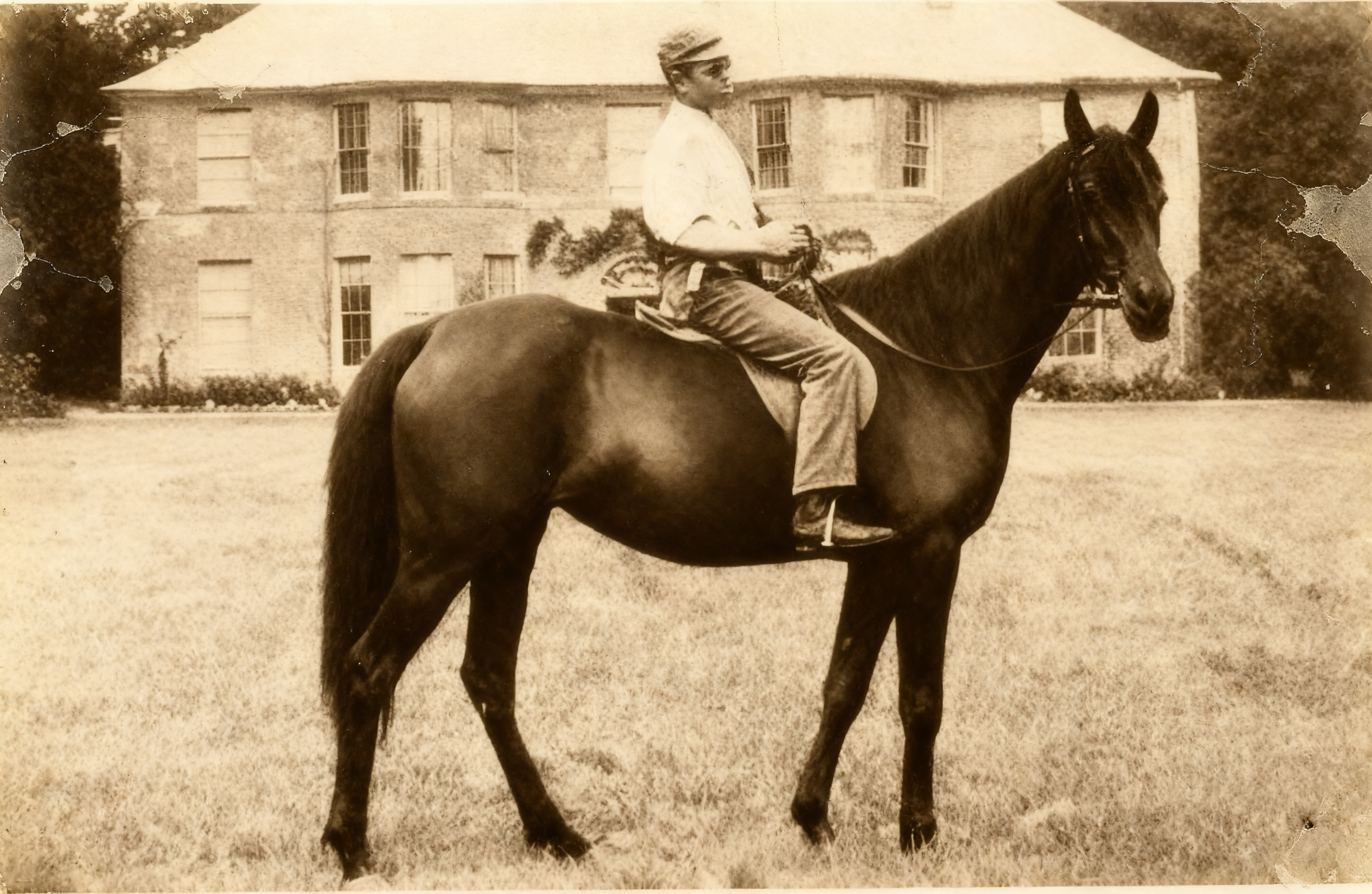
Raschida
Foaled in 1883, Raschida was a bay mare of approximately 15 hands. Through her dam Wild Thyme, she was associated with the Koheylah Ras el Fedawi strain.
At the first Crabbet Sale in 1882, she was sold in utero alongside her dam to Mr. Charrington. Some records associate the young mare with the name Wild Honey before she became known as Raschida under the ownership of the Honourable Miss Ethelred Dillon, the name by which she is remembered today.
Raschida’s sire, Kars, was a bay Saklawi Jedran stallion of remarkable background. Bred by Ibn Subayni of the Fedaan and foaled in 1874, Kars later gained a reputation for hardiness and endurance. As a young horse, he was acquired by a Kurdish chief and ridden during the war in Armenia in 1877—a campaign remembered for its severity. Contemporary accounts later claimed that Kars among the very few horses to survive the campaign.
When the Blunts encountered Kars in Aleppo during their Middle Eastern travels, they quickly became interested in acquiring him. Imported to England in 1878 alongside five mares, he became one of the foundational pillars of Crabbet Stud. Beyond breeding, Kars exemplified versatility—he was ridden regularly, reportedly used in jumping exhibitions and raced locally, reflecting the Blunts’ well-known preference for horses combining beauty with practical ability.
None of his sons appear to have established major enduring sire lines, but his daughters proved invaluable. Among them, Raschida stands out alongside mares such as Rose of Jericho and Dahna.
Raschida’s dam, Wild Thyme was —along with Kars— among the first Arabians imported for Crabbet Stud in 1878. The dark-bay filly did not initially impress her new owners. The Blunts reportedly considered her less refined in type than some of their other imports.
Yet Wild Thyme possessed her own quiet distinction. She was part of a driving pair that carried the Blunts and their guests to Derby Day in 1880, embodying the practical elegance they valued. More importantly, through Raschida, she founded a line that would outlast her modest reputation. While her family dwindled at Crabbet, it has established abroad.
Raschida’s importance lies primarily in her daughters and their descendants. A daughter who made her way to the United States in 1893 was Rakusheh, sired by El Emir and imported by Mr. Ramsdell. Although Rakusheh produced five foals and her daughter Raksh continued the line, it appears to have died out and is no longer represented among modern American Arabian horses. In 1905, Spencer Borden imported another set of Raschida’s daughters—Mahal (by Imamzada) and Nessa (by Hauran)—to the United States. Their lines continue in modern Arabian horses, particularly that of Nessa. The 1983 U.S. National Champion Stallion, Arn-Ett Perlane (by Perlezon out of Shadylane Jupiter), traces to Nessa in direct maternal line.
Another branch of Raschida’s influence came through her daughter Riad. From this line emerged Nuri Sherif, a bay stallion foaled in 1920, bred by Mr. S. G. Hough in the United Kingdom. Nuri Sherif was the sire of the mare Nurschida (x Razina). Through her, Raschida’s legacy extended into later generations; in particular, Nurschida was the granddam of Mikeno (Rissalix x Namilla [Algol x Nurschida]).
Raschida’s story is not one of dramatic renown, but of quiet persistence. From a filly sold before birth and renamed in a new home, she became a conduit through which the blood of Kars and Wild Thyme endured.
At the first Crabbet Sale in 1882, she was sold in utero alongside her dam to Mr. Charrington. Some records associate the young mare with the name Wild Honey before she became known as Raschida under the ownership of the Honourable Miss Ethelred Dillon, the name by which she is remembered today.
Raschida’s sire, Kars, was a bay Saklawi Jedran stallion of remarkable background. Bred by Ibn Subayni of the Fedaan and foaled in 1874, Kars later gained a reputation for hardiness and endurance. As a young horse, he was acquired by a Kurdish chief and ridden during the war in Armenia in 1877—a campaign remembered for its severity. Contemporary accounts later claimed that Kars among the very few horses to survive the campaign.
When the Blunts encountered Kars in Aleppo during their Middle Eastern travels, they quickly became interested in acquiring him. Imported to England in 1878 alongside five mares, he became one of the foundational pillars of Crabbet Stud. Beyond breeding, Kars exemplified versatility—he was ridden regularly, reportedly used in jumping exhibitions and raced locally, reflecting the Blunts’ well-known preference for horses combining beauty with practical ability.
None of his sons appear to have established major enduring sire lines, but his daughters proved invaluable. Among them, Raschida stands out alongside mares such as Rose of Jericho and Dahna.
Raschida’s dam, Wild Thyme was —along with Kars— among the first Arabians imported for Crabbet Stud in 1878. The dark-bay filly did not initially impress her new owners. The Blunts reportedly considered her less refined in type than some of their other imports.
Yet Wild Thyme possessed her own quiet distinction. She was part of a driving pair that carried the Blunts and their guests to Derby Day in 1880, embodying the practical elegance they valued. More importantly, through Raschida, she founded a line that would outlast her modest reputation. While her family dwindled at Crabbet, it has established abroad.
Raschida’s importance lies primarily in her daughters and their descendants. A daughter who made her way to the United States in 1893 was Rakusheh, sired by El Emir and imported by Mr. Ramsdell. Although Rakusheh produced five foals and her daughter Raksh continued the line, it appears to have died out and is no longer represented among modern American Arabian horses. In 1905, Spencer Borden imported another set of Raschida’s daughters—Mahal (by Imamzada) and Nessa (by Hauran)—to the United States. Their lines continue in modern Arabian horses, particularly that of Nessa. The 1983 U.S. National Champion Stallion, Arn-Ett Perlane (by Perlezon out of Shadylane Jupiter), traces to Nessa in direct maternal line.
Another branch of Raschida’s influence came through her daughter Riad. From this line emerged Nuri Sherif, a bay stallion foaled in 1920, bred by Mr. S. G. Hough in the United Kingdom. Nuri Sherif was the sire of the mare Nurschida (x Razina). Through her, Raschida’s legacy extended into later generations; in particular, Nurschida was the granddam of Mikeno (Rissalix x Namilla [Algol x Nurschida]).
Raschida’s story is not one of dramatic renown, but of quiet persistence. From a filly sold before birth and renamed in a new home, she became a conduit through which the blood of Kars and Wild Thyme endured.